Newcastle Physio Solutions
‘Physiotherapists help people affected by injury, illness or disability through movement and exercise, manual therapy, education and advice’ (CSP 2023).
They maintain health for people of all ages, helping patients to manage pain and prevent disease.
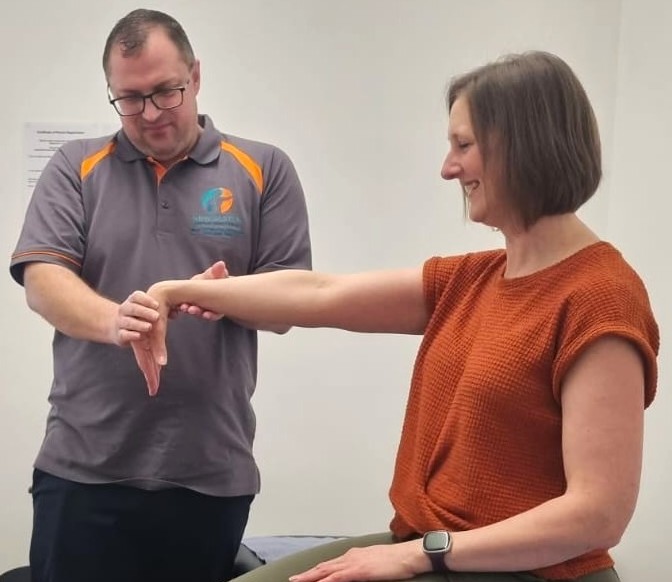
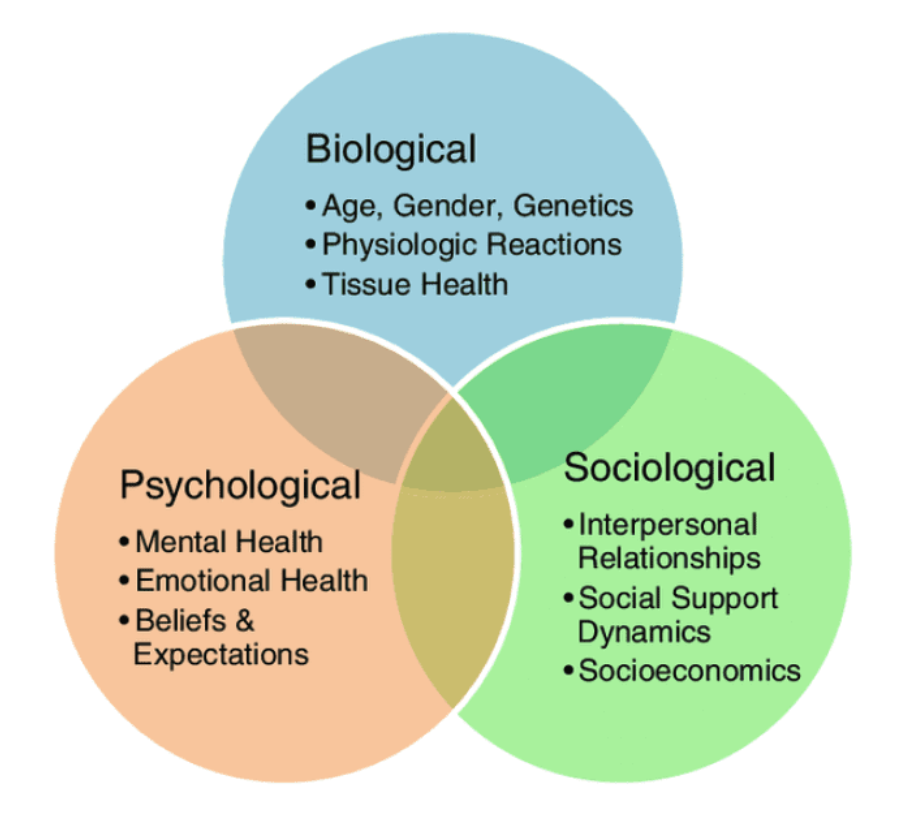
Physiotherapy is a science-based profession and takes a ‘whole person’ approach to health and wellbeing, which includes the patient’s general lifestyle. This is similar to the biopsychosocial model, which focuses on all aspects of a person including how symptoms are affecting their psychological wellbeing and impact on their wider social life including family/work and impact on hobbies. At the core of this, is the patient’s involvement in their own care, through education, awareness, empowerment and participation in their treatment.
This is something we prioritise here at Newcastle physio solutions, from the moment you speak with us on the phone until your last appointment with us, our focus is on patient centred care. This is particularly apparent during your initial contact with us, when we will ascertain how your symptoms are affecting your life and devise specific goals together to help you achieve your goals.
Below is an illustration of the Biopsychosocial model
Physiotherapy can be a combination of:
- Exercises
- Advice and education
- ‘Hands on’/Manual therapies, which can include joint mobilisation, acupuncture, massage, cupping and taping
Physiotherapy exercises
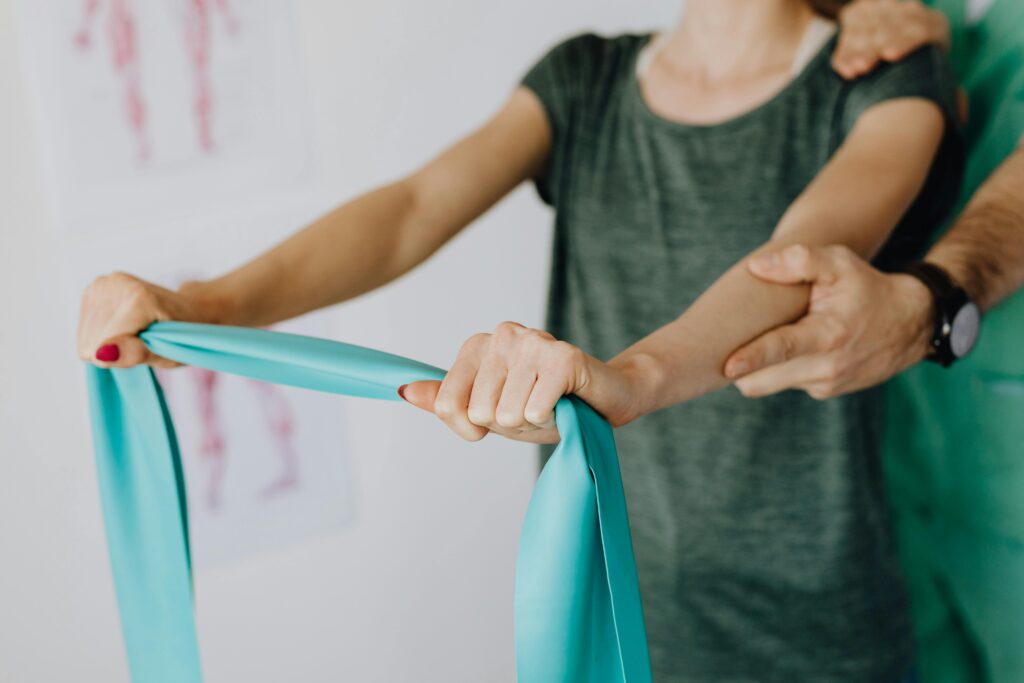
Your physiotherapist may develop a programme of exercises for you. This is to help to improve your fitness, strength, flexibility and mobility. These may include the following:
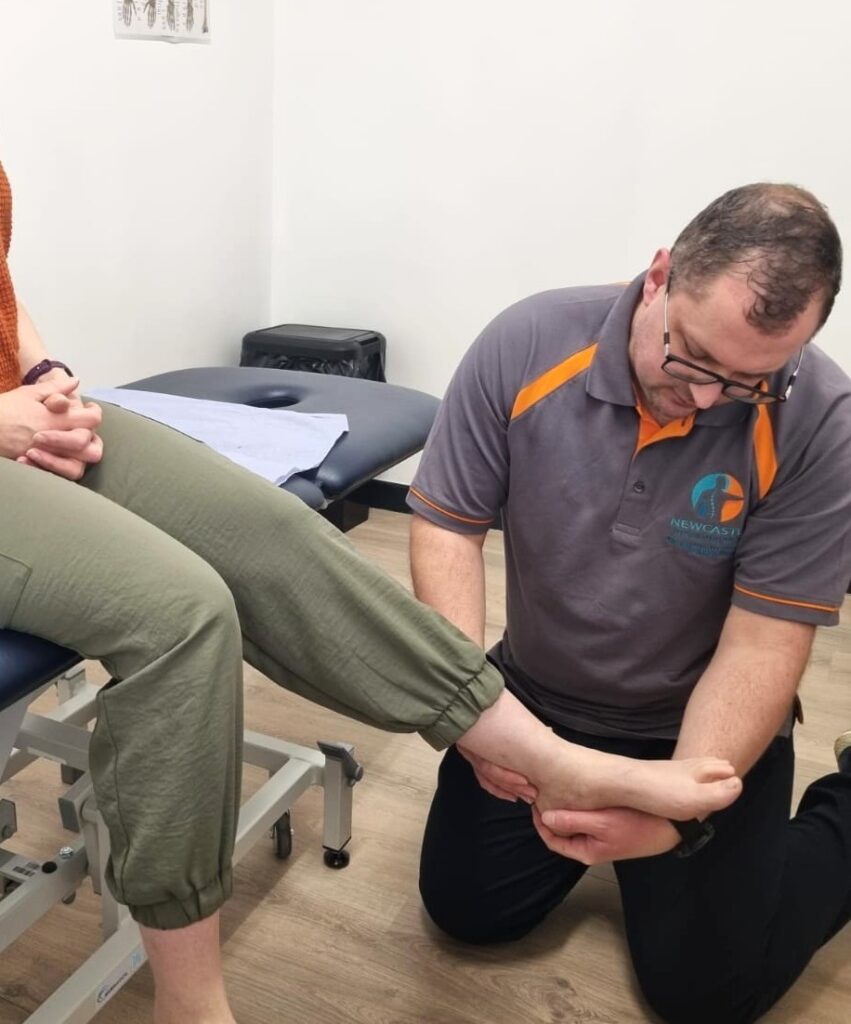
Stretching exercises:
These can help to improve movement and range of motion in your joints. You may do the exercises and stretches by yourself or with the support of your physiotherapist.
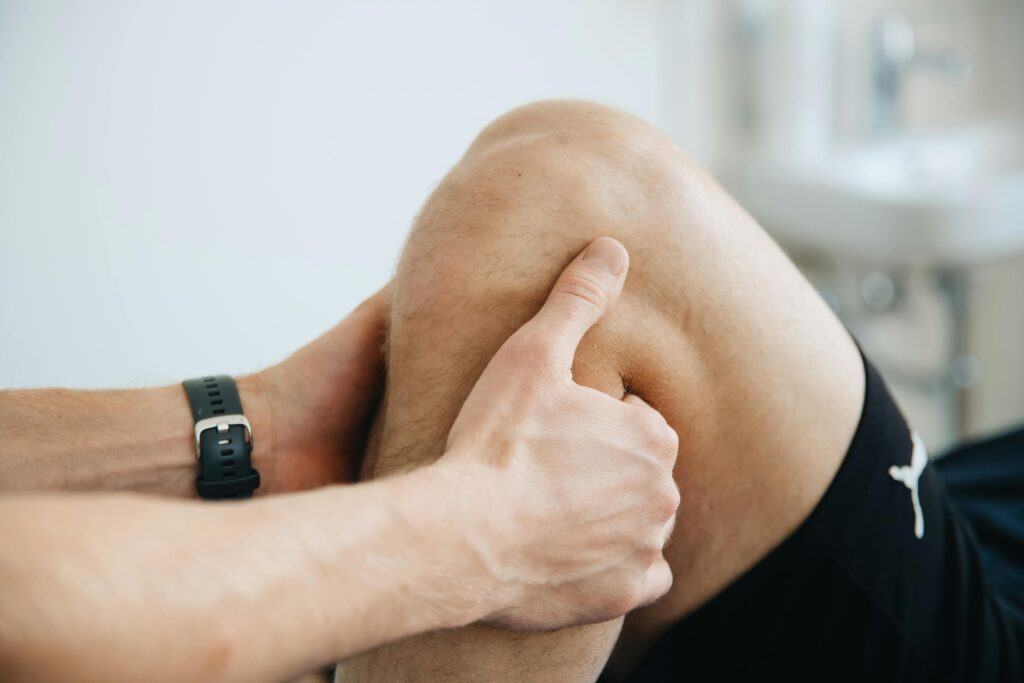
Muscle-strengthening exercises:
Strengthening your muscles is important to support your joints. It can help to reduce pain, protect your joints from further injury and restore full physical function. Strength exercises might use your own body weight. They might also include resistance training with items like stretchy bands and weights.
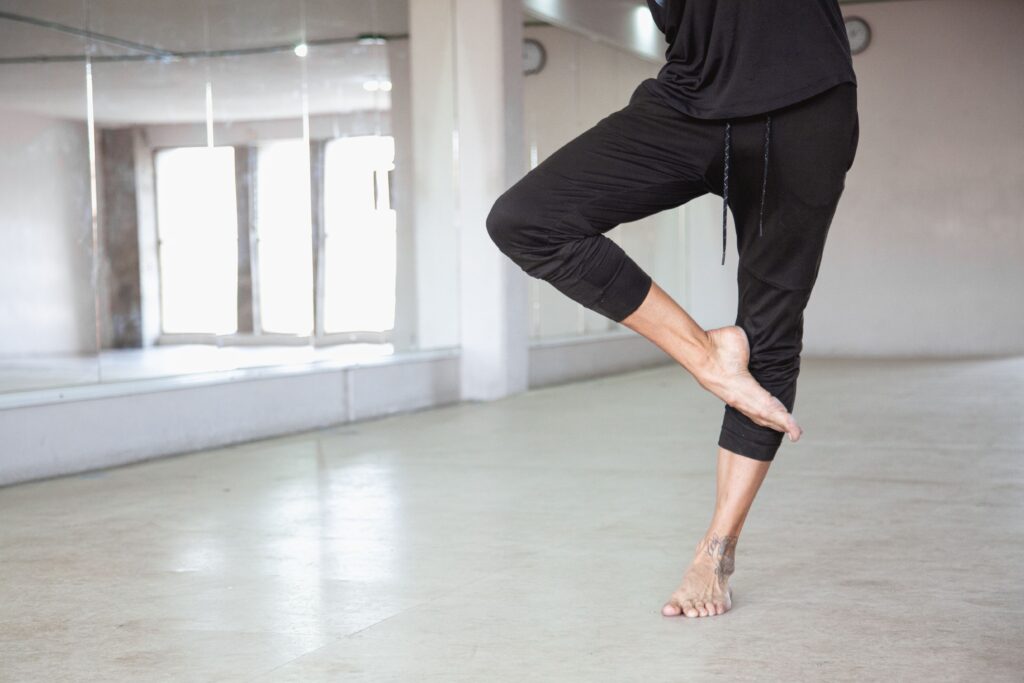
Balance and co-ordination exercises:
Balance and co-ordination exercises. These involve combinations of movements to challenge your balance. Or to work different muscles and joints together. They’re important in being able to maintain full physical function.
What we offer.
We believe Physiotherapy shouldn’t just be exercises, Manual therapy is vital for your recovery. Here are some of the they options we supply.
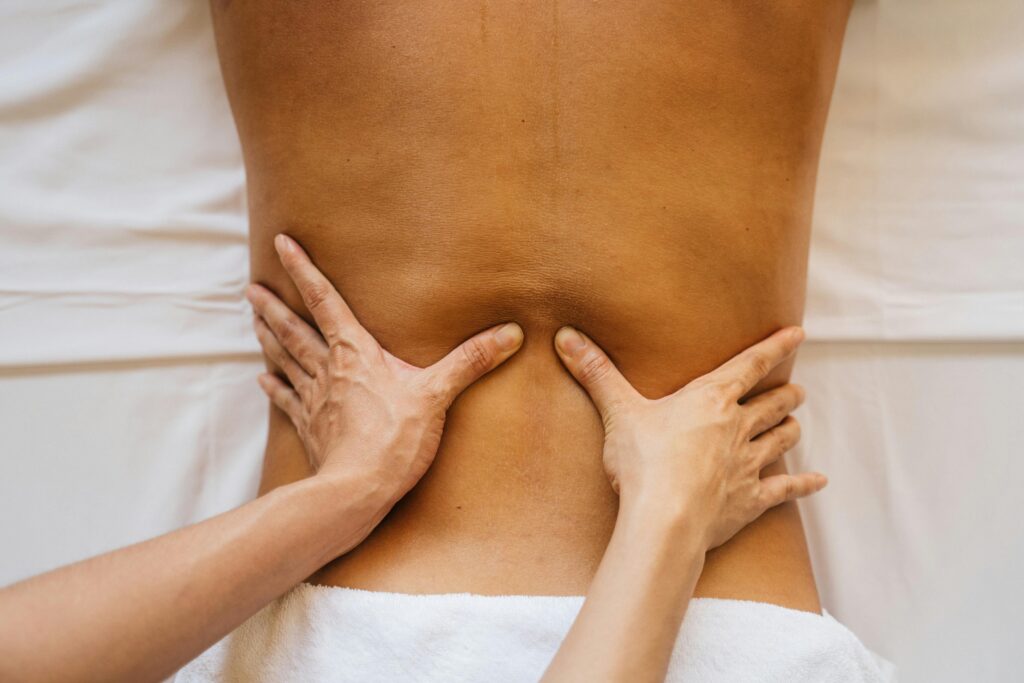
Massage Therapy
Massage can help to improve your mobility by loosening muscles and tissue that have become tight (have ‘knots’). It may also help relax your muscles, reduce pain, discomfort and swelling . Massage works best when combined with an exercise-based plan, rather than on its own.
Joint mobilisation or manipulation
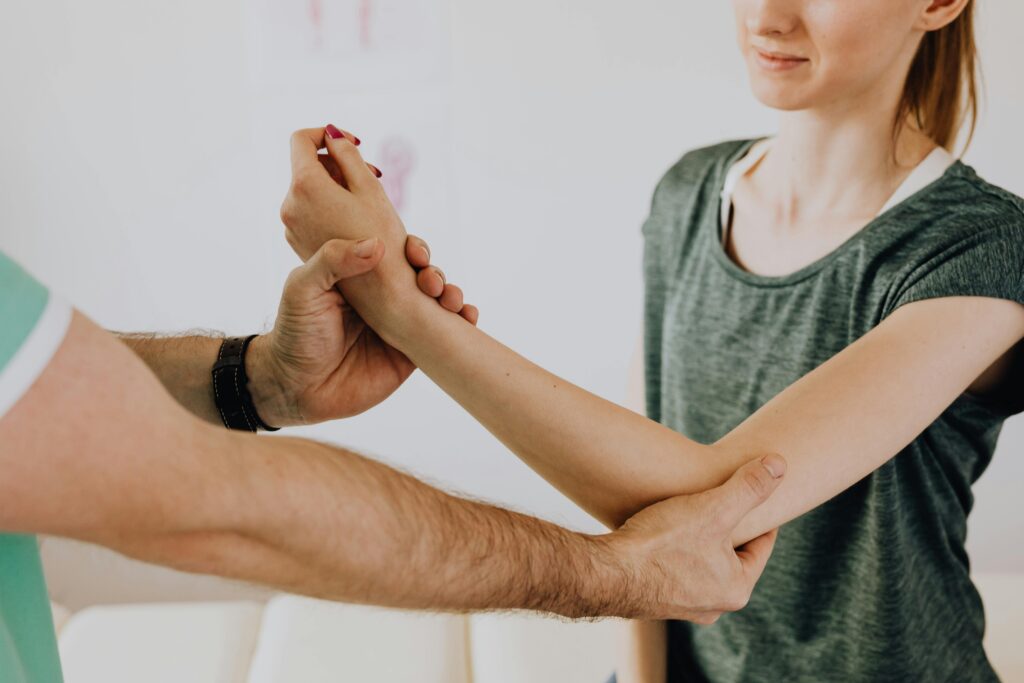
These are manual, ‘hands-on’ therapies where your physiotherapist applies physical pressure to your joints, to reduce pain or improve mobility. In mobilisation, your physiotherapist slowly moves your joint within its normal range of movement. During manipulation, your physiotherapist may use short, sharp movements (‘thrusts’) to move your joint beyond its normal range of movement.
Acupuncture
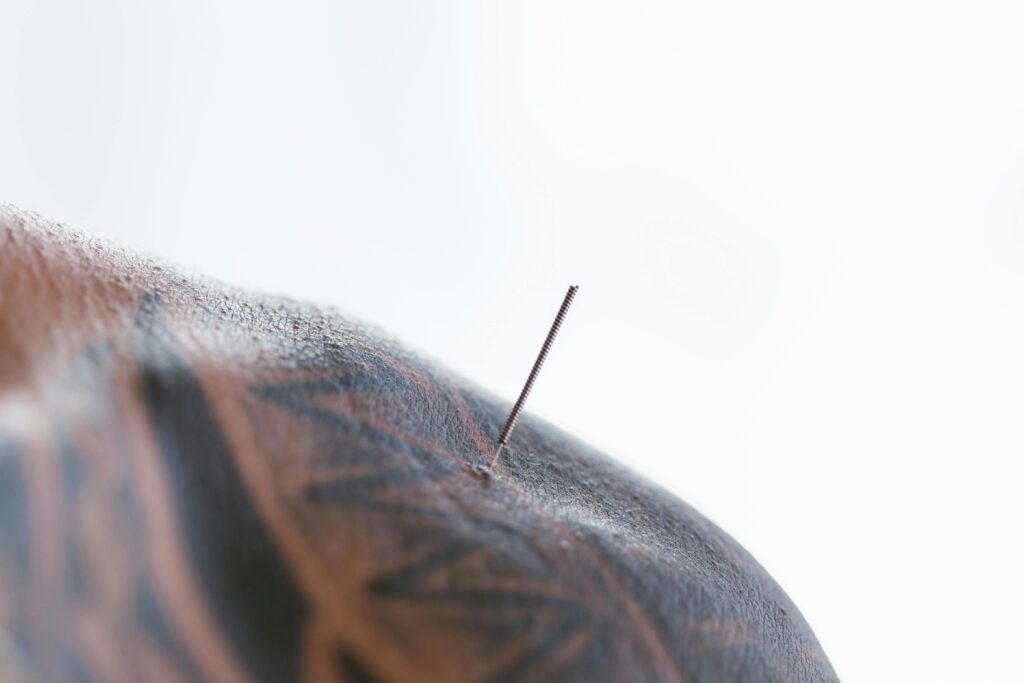
Acupuncture is aimed at reducing pain. It involves putting fine needles into your skin at specific points around your body, which are called acupoints. This is believed to interfere with the pain signals to your brain from nerves around your body. It may also trigger the release of natural painkillers in your body.
Dry needling
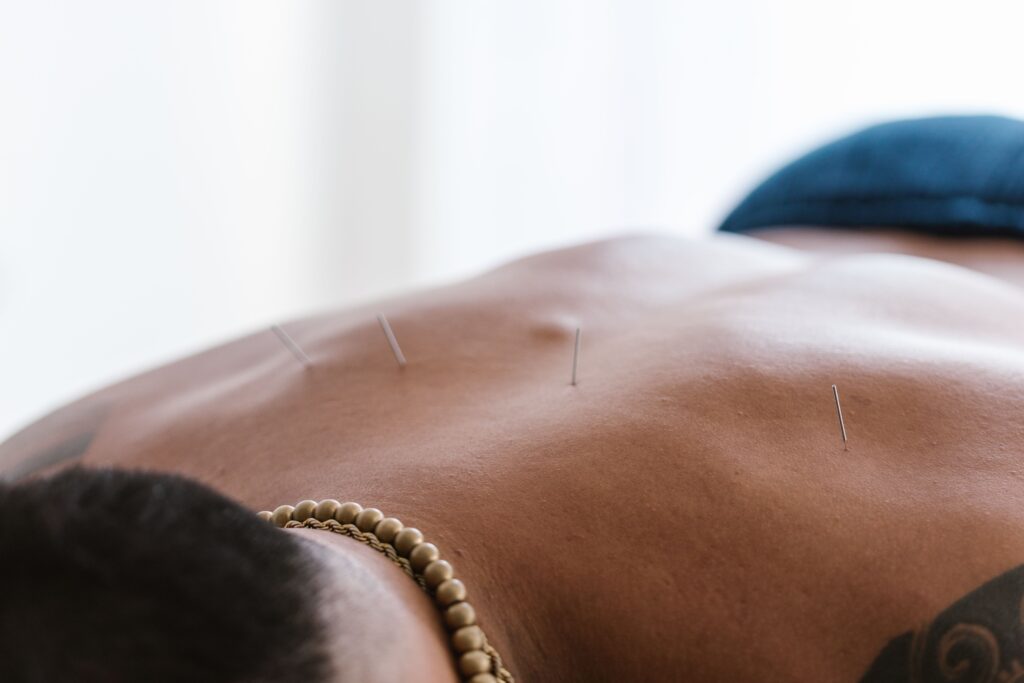
In dry needling, fine acupuncture needles into specific points of your muscles. These are called ‘trigger points’. The aim of treatment is to relieve pain and tightness, and improve movement.
Taping
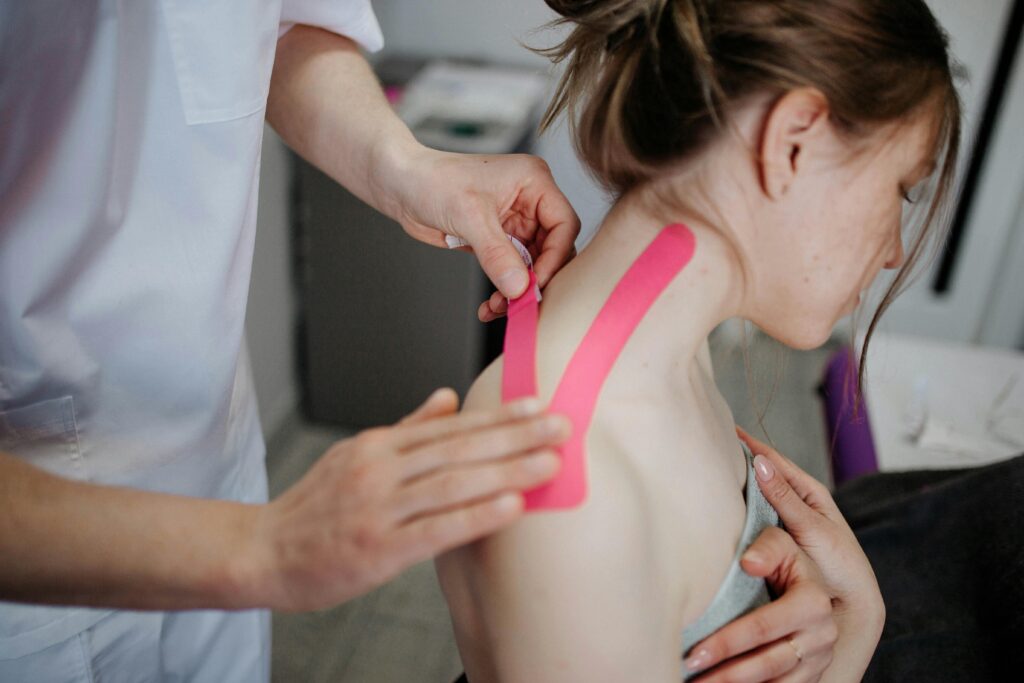
Taping is often used to support injuries to your joints. It’s also sometimes used to help improve posture and movement during sport and exercise. Different types of tape can be used depending on what type of injury you have.
Rigid tape limits your movement. It’s usually used to prevent injury or help prevent an existing injury from getting worse. Flexible tape, such as Kinesio or RockTape, aims to reduce inflammation and provide short-term pain relief from injuries.
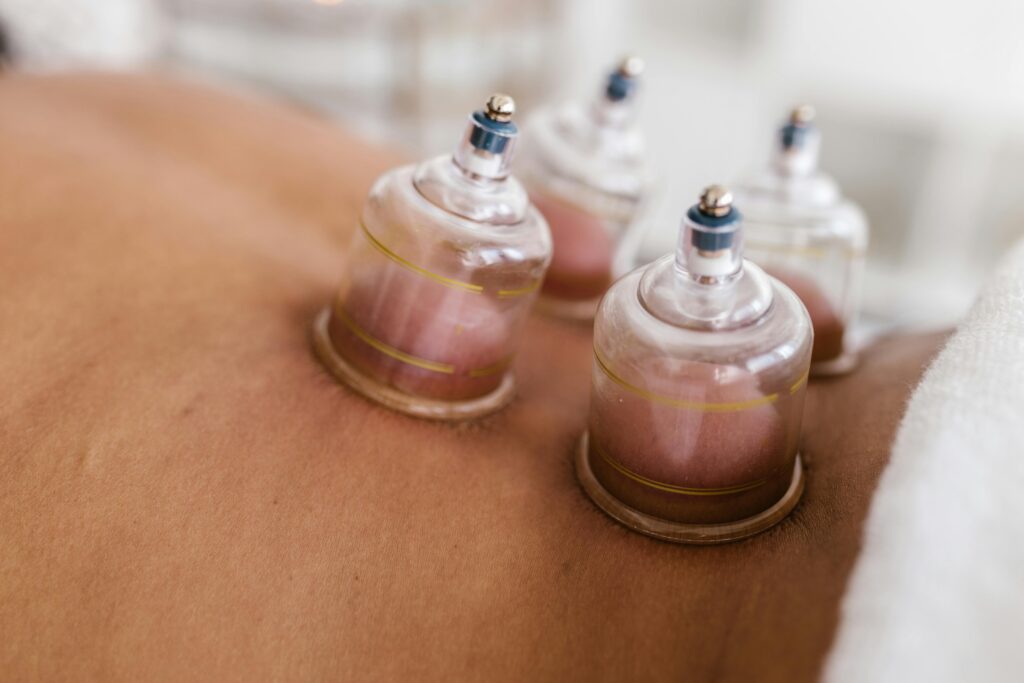
Cupping
During a cupping session, cups are placed around the affected area of the body e.g upper back. Most commonly, they will be placed on an area for for three to five minutes and left in the same place but they can also be moved around an area of the body. Static/Dry cupping aims to increase blood flow and remove fluids and toxins from the treated area.Cupping massage, also known as massage cupping or gliding cupping, involves placing cups on the skin to create suction, which lifts the skin and underlying tissue. During this treatment, lotion or oil is applied to the skin and silicone or plastic cups are moved in circular or linear motions, creating a massage-like effect that enhances relaxation and muscle release.
Manual Therapies
Physiotherapists can use a combination of the above approaches during treatment but this is tailored to each specific individual and their condition. At Newcastle physio Solutions, we greatly believe in ‘hands on’ therapy and our physio Ross has a lot of experience in all of the above treatment techniques. Compared to physiotherapy in the NHS, where you will generally receive a specific exercise program but no hands on therapy, we will work with you and provide an individual exercise program but also utilise manual therapies during every appointment. The evidence base acknowledges that this combined approach using manual techniques alongside an exercise program has the best outcomes.
A recent systematic review by Calafiore & De Sire (2025) which compared the effectiveness of therapeutic exercise and manual therapy on reducing chronic non specific neck pain, showed that the best effects were found in those that had a combination of manual therapy and also completed an exercise program alongside this. It also showed those patient’s who only had manual therapy had a reduction in pain scores.
Another recent systematic review by Narenthiran et al (2025) looking at the effects of manual therapy alongside an exercise program to help improve function and disability in patient’s with chronic lower back pain, found that manual therapy helped improve pain, function and reduce disability compared to just exercise alone, which was not as effective.
In conclusion, we believe that exercises alone are not enough to resolve pain in the long term. Instead, combining targeted stretches and strengthening exercises with hands-on manual therapy helps address the root cause of your issue, supports lasting recovery, and can speed up the healing process—helping you return to a pain-free life sooner.
Want to start your recovery?, click the button below
Newcastle Physio Solutions