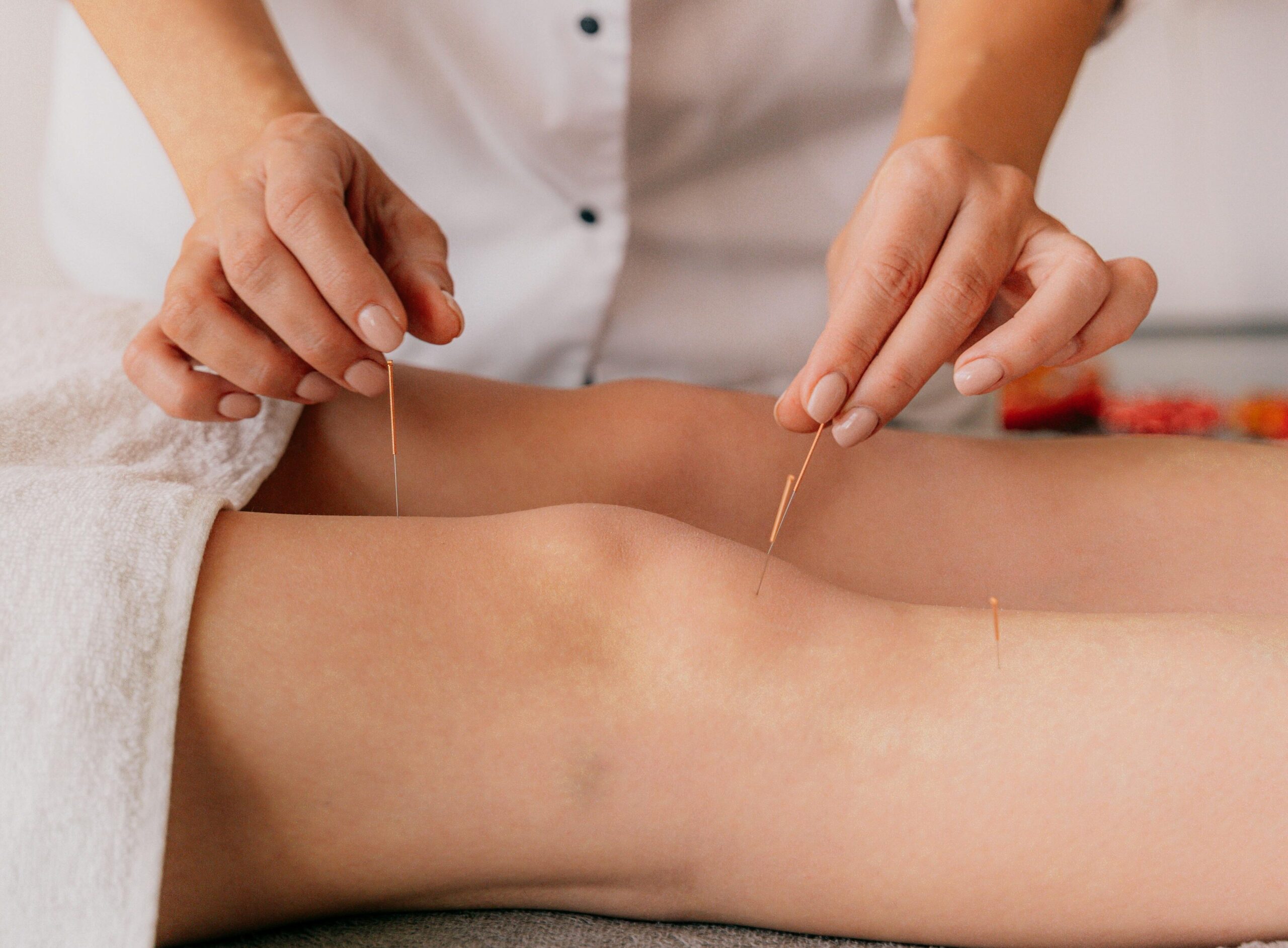
Acupuncture is a technique that involves inserting very thin metal needles into precise points on the body. The aim is to clear energy channels and help restore and maintain health.
The points where the needles are inserted are selected based on a complex network of energy pathways known as meridians. These meridians are thought to run throughout the body, similar to how lines of longitude and latitude map the globe.
Acupuncture is a key part of Traditional Chinese Medicine (TCM), a healing tradition that has been practised for thousands of years. TCM views the body as a delicate balance between yin and yang — two opposing but inseparable forces. According to this traditional theory, illness can occur when these forces become unbalanced.
This imbalance is believed to disrupt the flow of “qi”, a vital energy that helps regulate spiritual, emotional, mental and physical balance along the meridians. By inserting needles at specific points connected to these meridians, acupuncture is traditionally believed to help unblock the flow of qi and restore balance to the body and mind.

The Western theory behind acupuncture
Western medicine explains the effects of acupuncture through a different framework.
Some Western scientists believe that acupuncture stimulates the central nervous system, which may signal the body to release various substances, including endorphins, immune system cells, opioids, neurotransmitters and neurohormones.
These substances may help control pain, influence how the body experiences pain and promote physical and emotional well-being.
Some research also suggests that acupuncture may influence involuntary functions controlled by the central nervous system, including blood pressure, blood flow and body temperature regulation.
History of acupuncture
Acupuncture originated in ancient China over 2,500 years ago and developed from early philosophical and medical traditions into the globally recognised therapeutic practice we know today.
Acupuncture is believed to have been devised in China before 2500 BCE. Early forms may have involved the use of sharpened stones, bones or bamboo to stimulate points on the body for healing purposes.
Archaeological evidence, including bian stones, suggests that primitive forms of acupuncture or similar techniques may have been practised during the Neolithic period.
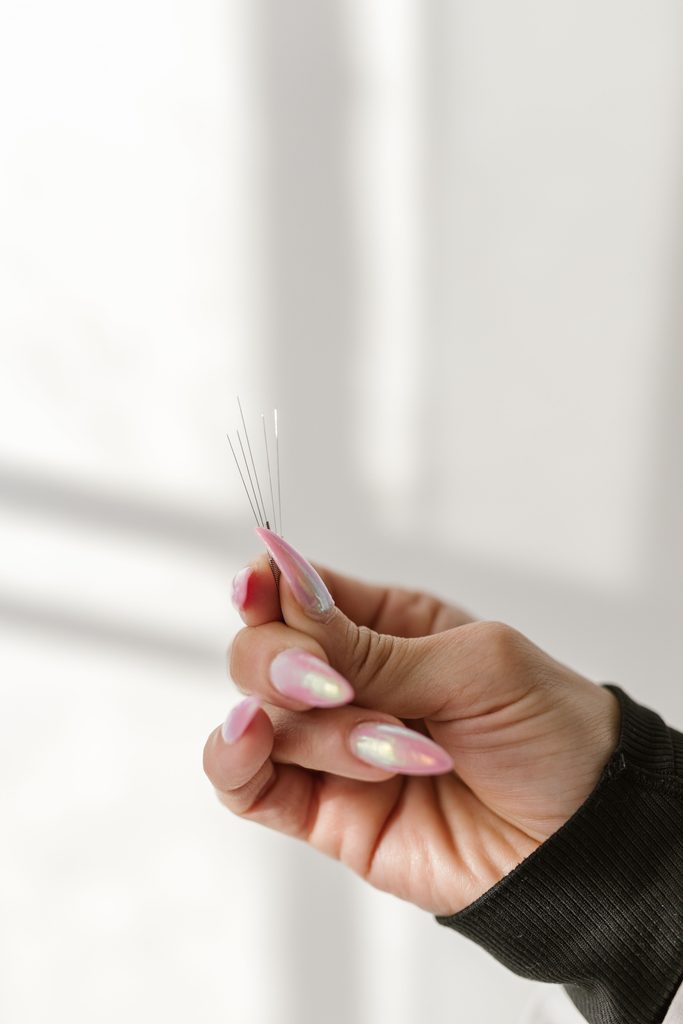
The earliest documented system of acupuncture can be found in the Huangdi Neijing (The Yellow Emperor’s Classic of Medicine), dating to around 200 BCE. This text contains teachings associated with the legendary Chinese emperor Huang Di and outlines many of the theoretical foundations of Traditional Chinese Medicine, including Qi, meridians and acupuncture points.
During the 20th century, acupuncture gained international recognition and became integrated into complementary and alternative medicine around the world.
Modern acupuncture uses fine metal needles and is often combined with conventional medical treatments for pain relief, rehabilitation and general wellness.
Despite advances in technology and scientific understanding, acupuncture continues to be guided by traditional principles including Qi, meridians, and the balance of yin and yang.
Benefits of acupuncture
Acupuncture has a wide range of potential benefits, from helping to ease pain to assisting with nicotine cravings.
Common uses of acupuncture include helping to:
- Manage pain
- Reduce stress
- Improve overall well-being
Acupuncture may be more effective for pain relief when it is combined with other treatments.
Some research also suggests that acupuncture may help with anxiety, migraines and insomnia.
What to expect from acupuncture
Before your acupuncture treatment, your acupuncturist will ask about your health history and may carry out a physical examination.
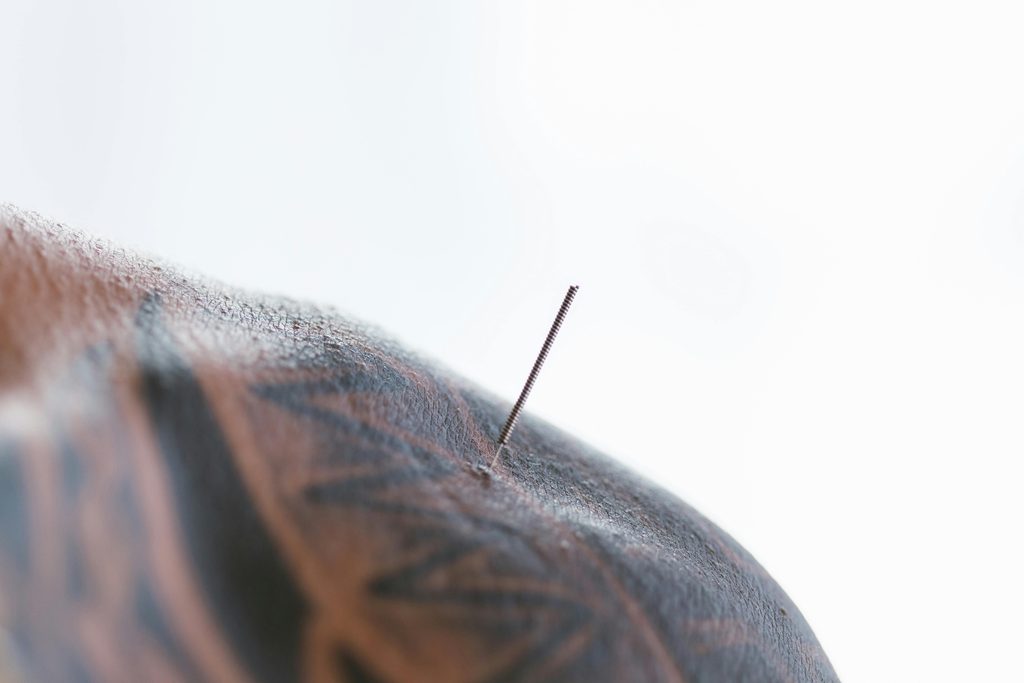
During the session, thin needles are carefully placed into specific areas of the body based on your concern or condition. Your acupuncturist may gently twist the needles to provide an additional effect.
The needles are often left in place for around 15–20 minutes, although the total session can last anywhere from 30 minutes to an hour.
After treatment, you will likely feel relaxed. If you experience any unusual symptoms following your treatment, you should contact the person or clinic that carried out the acupuncture.
Is acupuncture painful?
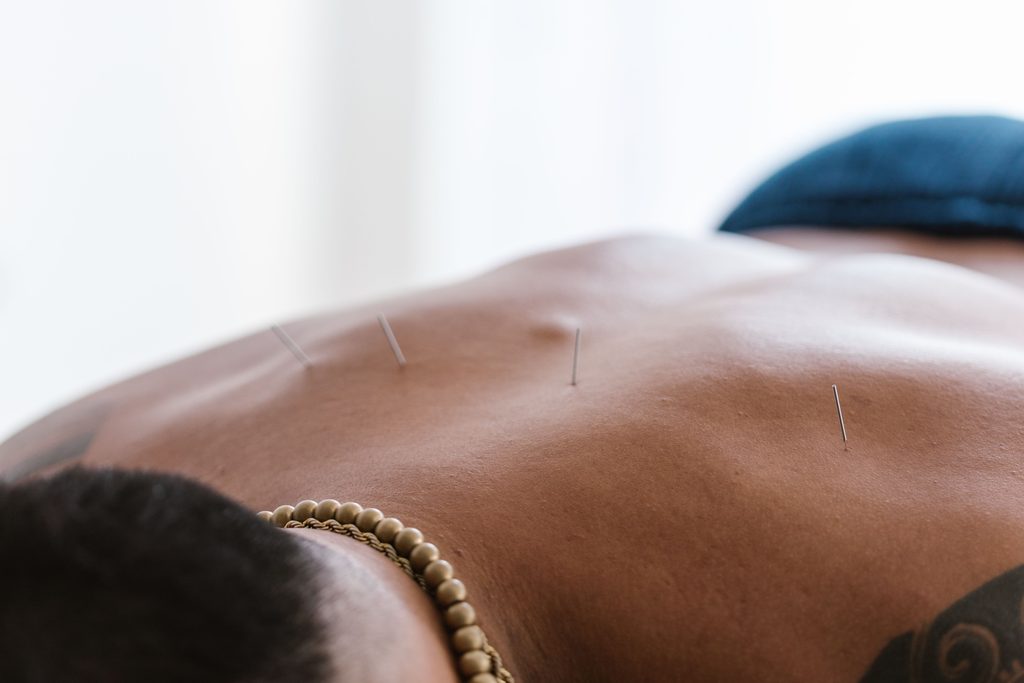
You may feel a slight sting, pinch, ache or some pain as the acupuncture needle is inserted. Generally, however, this is a mild sensation.
Once the needle has been correctly placed, you may experience a tingling or heavy feeling. This sensation is often referred to as “de qi.”
If you feel uncomfortable or experience a lot of pain at any point during the session, let your acupuncturist know.
Sharper pain may indicate that the needle has not been inserted or positioned correctly.
Acupuncture is a treatment that has been used for thousands of years and continues to be used today as part of a wider approach to managing pain, stress and overall well-being.
While traditional Chinese medicine explains acupuncture through concepts such as Qi, meridians, yin and yang, Western research suggests it may work by influencing the nervous system and the body’s natural pain-relieving processes.
Whether you’re considering acupuncture for pain relief, rehabilitation or another concern, understanding what the treatment involves can help you feel more confident about your options.
If you’re wondering whether acupuncture could be suitable for you, get in touch with Newcastle Physio Solutions to discuss your symptoms and find out how we may be able to help.