What is Sports Massage?
Sports massage is a hands-on treatment that focuses on your muscles, tendons, ligaments and other soft tissues. Although it’s popular with people who exercise regularly, you don’t have to be an athlete to benefit from it.
Whether you play sport, go to the gym, have a physical job, or simply feel tight and achy from everyday life, sports massage can help reduce pain, improve movement and support your body’s recovery.
Unlike a relaxation massage, sports massage has a specific purpose. Every treatment is tailored to your needs and aims to:
- Reduce muscle pain and tension
- Improve flexibility and movement
- Increase blood circulation
- Speed up recovery
- Help prevent future injuries
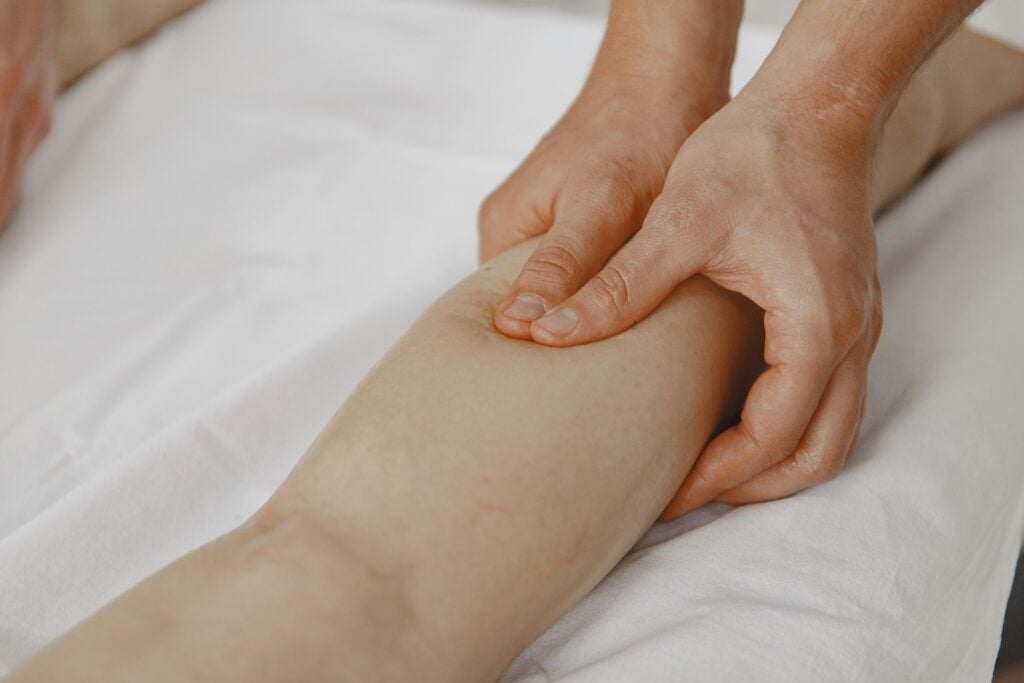
Your therapist may use a range of techniques, including long sweeping strokes, kneading, deep tissue massage, stretching and trigger point therapy. The pressure and techniques are always adjusted to suit your comfort and treatment goals.
A Brief History of Sports Massage
Massage has been used to help the body recover for thousands of years.
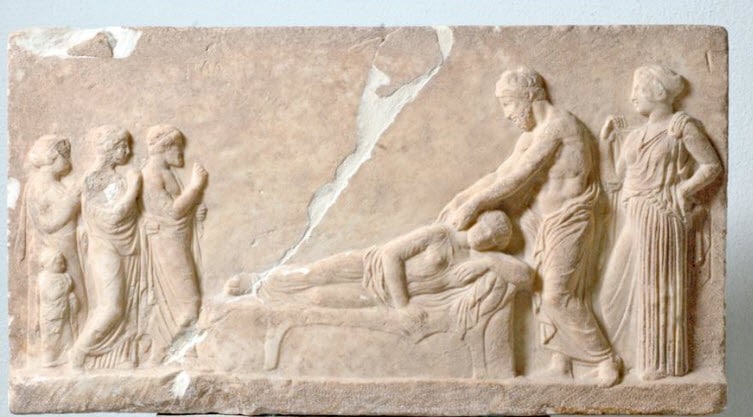
The ancient Greeks and Romans were among the first to use massage to improve athletic performance and recovery. Greek Olympians were often massaged with oils before competitions to prepare their muscles, while Roman gladiators received massage after training and combat to aid recovery.
Over time, these techniques evolved, and during the 19th and 20th centuries, doctors and physiotherapists across Europe, particularly in Sweden and Germany, began incorporating massage into sports medicine. Today, sports massage is a widely recognised treatment used by athletes and non-athletes alike.
Benefits of Sports Massage
Sports massage helps increase blood flow to your muscles, delivering oxygen and nutrients that support healing. It also helps remove waste products that build up after exercise, allowing your muscles to recover more efficiently.
Even if you don’t play sport, sports massage can help your body recover from everyday activities such as gardening, lifting, decorating or sitting at a desk for long periods.
Tight muscles can lead to stiffness, discomfort and reduced movement.
Sports massage works deep into the muscles to release built-up tension, reduce stiffness and improve muscle elasticity, helping you move more comfortably throughout the day.
Using stretching and targeted massage techniques, sports massage helps loosen tight muscles and surrounding connective tissues.
This can:
- Improve flexibility
- Increase joint movement
- Improve posture
- Make everyday activities feel easier
Preventing an injury is always better than treating one.
Sports massage helps identify and reduce muscle tightness and imbalances before they become bigger problems. Keeping your muscles healthy and flexible can reduce the risk of strains, sprains and overuse injuries.
Sports massage encourages healthy blood flow throughout the body.
Better circulation helps deliver oxygen and nutrients to your muscles while also supporting your lymphatic system, which helps reduce swelling and remove waste products.
This can leave your body feeling healthier, less stiff and better able to recover.
Although sports massage is often associated with recovery, it can also help you relax.
Reducing muscle tension and encouraging relaxation can improve sleep quality, reduce stress and leave you feeling refreshed. Better sleep also plays an important role in helping your body recover and repair itself.
What Happens During a Sports Massage?
Before Your Appointment
Wear comfortable clothing to your appointment.
Depending on which areas need treating, you may be asked to remove some clothing. Towels will always be used to ensure your privacy and comfort throughout the session.
Before treatment begins, your therapist will carry out a short assessment to understand your needs. This may include discussing:
- Your medical history, including previous injuries, surgeries or health conditions
- Any allergies or medications
- Your work, hobbies or sporting activities
- Your current symptoms
- What you’d like to achieve from treatment
During Your Massage
Your therapist will focus on the areas that need treatment using techniques such as:
- Long, sweeping massage strokes
- Kneading techniques
- Deep tissue massage
- Stretching
- Trigger point therapy
Throughout the treatment, your therapist will regularly check that the pressure feels comfortable.
Don’t be afraid to speak up if the pressure feels too strong or too gentle. The treatment can always be adjusted to suit you.
After Your Massage
Everyone responds slightly differently, but it’s common to experience:
- Mild muscle soreness for a day or two (similar to after a workout)
- Reduced muscle tension
- Improved flexibility and movement
- A feeling of relaxation
To get the most from your treatment:
- Drink plenty of water after your massage.
- Avoid heavy exercise or intense workouts for the rest of the day if possible.
- Follow any advice or exercises your therapist recommends.
Most people notice they feel looser and move more comfortably after treatment, with the full benefits often becoming more noticeable over the next 24–48 hours.
Sports massage is about more than easing sore muscles—it’s a great way to keep your body moving well, recover more quickly and help prevent future injuries. Whether you’re an athlete, enjoy regular exercise, have a physically demanding job or simply deal with everyday aches and pains, sports massage can be tailored to your individual needs.
Regular treatment can help reduce muscle tension, improve flexibility, support recovery and leave you feeling more comfortable in your daily activities. If you’re experiencing persistent aches, recovering from an injury or looking to improve your performance, sports massage could be a valuable part of your health and wellbeing routine.
If you’re unsure whether sports massage is right for you, speak to one of our team. We’ll be happy to assess your needs and recommend the most suitable treatment to help you feel and move your best.