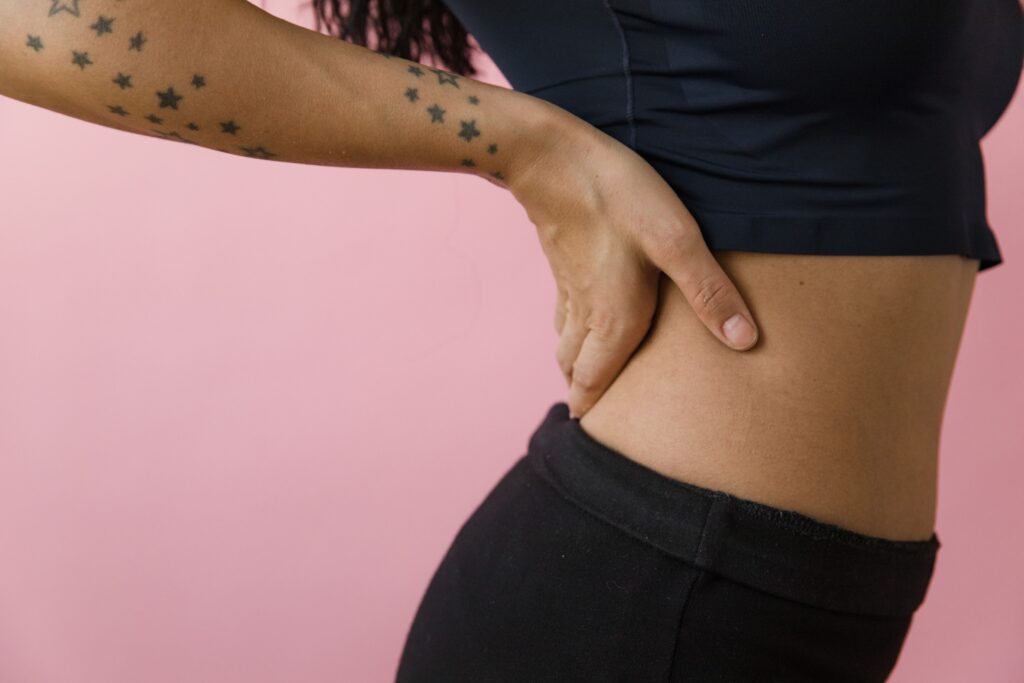
Lower back pain is one of the most common reasons people seek physiotherapy. It can affect anyone, regardless of age or activity level, and can make everyday tasks such as walking, sitting, working or exercising much more difficult.
The good news is that most cases of lower back pain improve with the right treatment, regular movement and a personalised rehabilitation plan.
Understanding Your Spine
To understand why back pain happens, it helps to know a little about how your spine works.
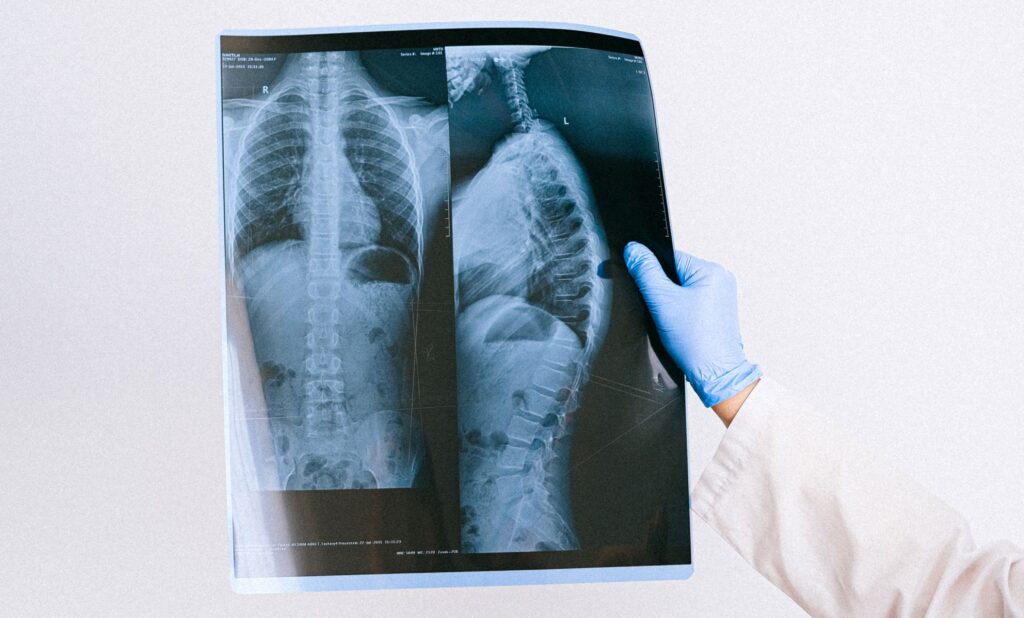
Your spine, also known as the backbone or spinal column, is one of the strongest and most flexible parts of your body. It allows you to bend, twist, lift and move while protecting your spinal cord.

The spine is made up of 24 bones called vertebrae. Between each vertebra is a disc, which acts like a shock absorber, cushioning the bones and allowing smooth movement.

Strong muscles and ligaments surround the spine to provide support and stability. Along each side of the spine are small joints called facet joints, which help guide movement.
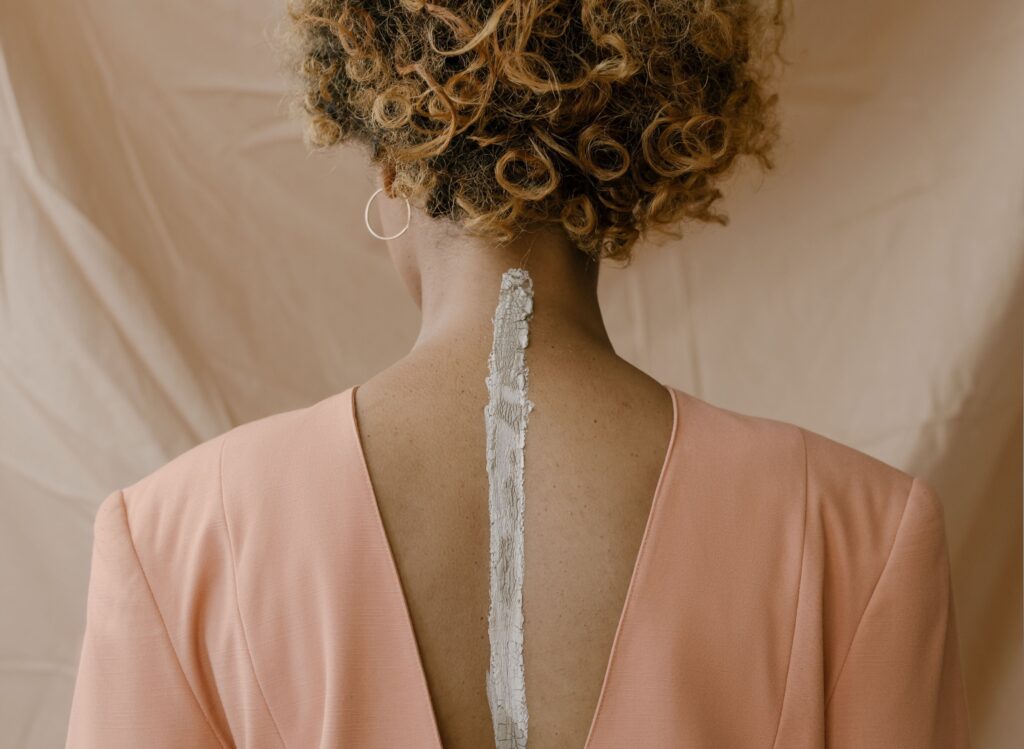
Running through the centre of the spine is the spinal cord, which carries messages between your brain and the rest of your body. Nerves branch off from the spinal cord through spaces between the vertebrae. These are known as nerve roots.
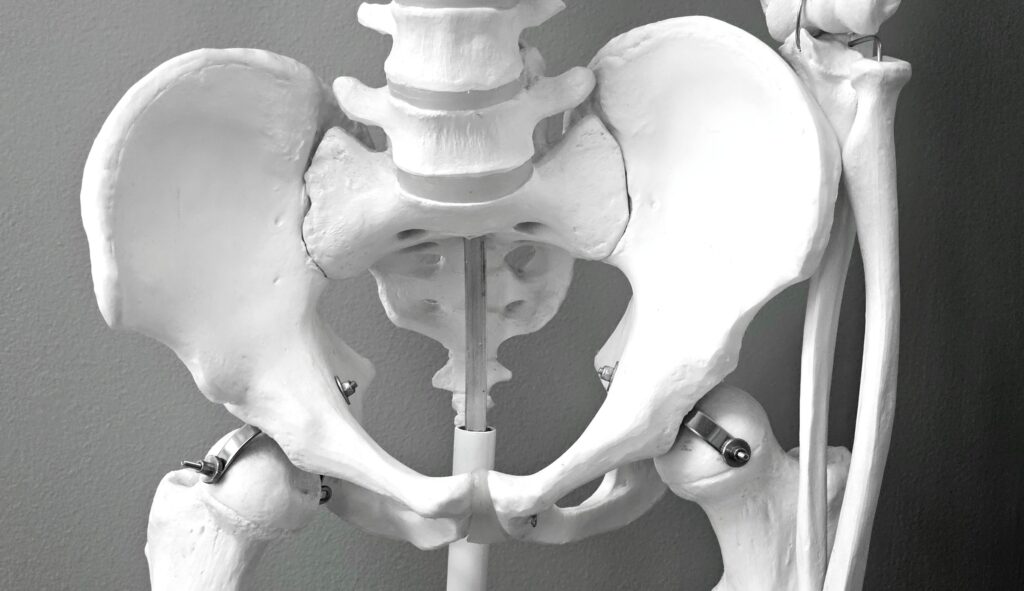
At the very bottom of the spine is the coccyx, or tailbone, which is made up of fused bones without discs between them.
As we get older, the discs, joints and ligaments naturally change as part of the ageing process. This is completely normal. While these changes may make the spine feel a little stiffer, they do not always cause pain.
Common Symptoms of Lower Back Pain
Lower back pain can feel different from person to person depending on the underlying cause. Common symptoms include:
A dull or aching pain
A constant ache in the lower back that may become worse after sitting, standing or bending for long periods.
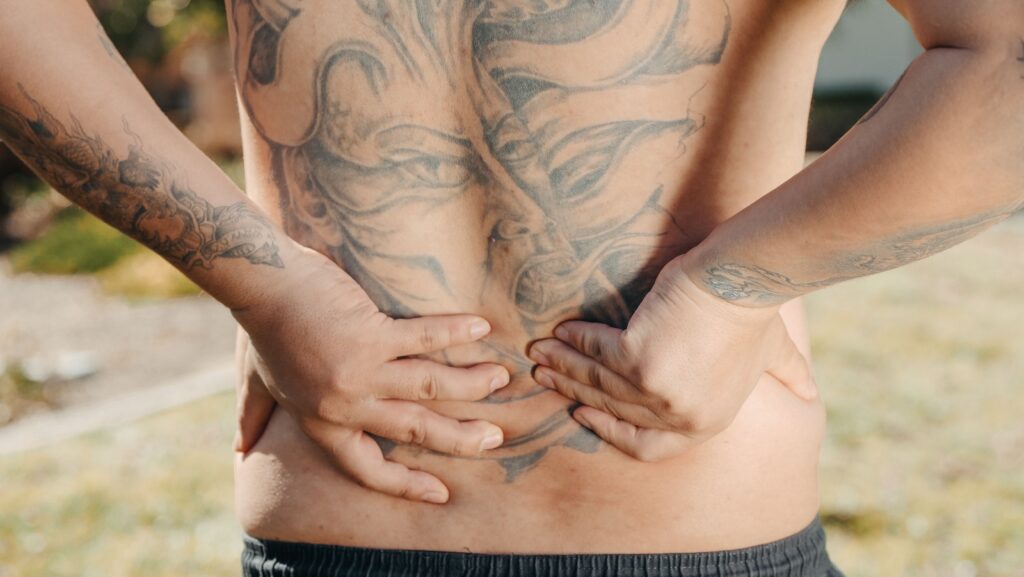
Sharp or stabbing pain
Pain that comes on suddenly after lifting, twisting or bending. Some people describe it as their back “locking up.”

Muscle stiffness
Your back may feel tight or stiff, particularly first thing in the morning or after sitting for a long time.

Pain that spreads
Pain may travel into your buttocks, hips or thighs. If the pain travels all the way down your leg, it may be caused by sciatica.
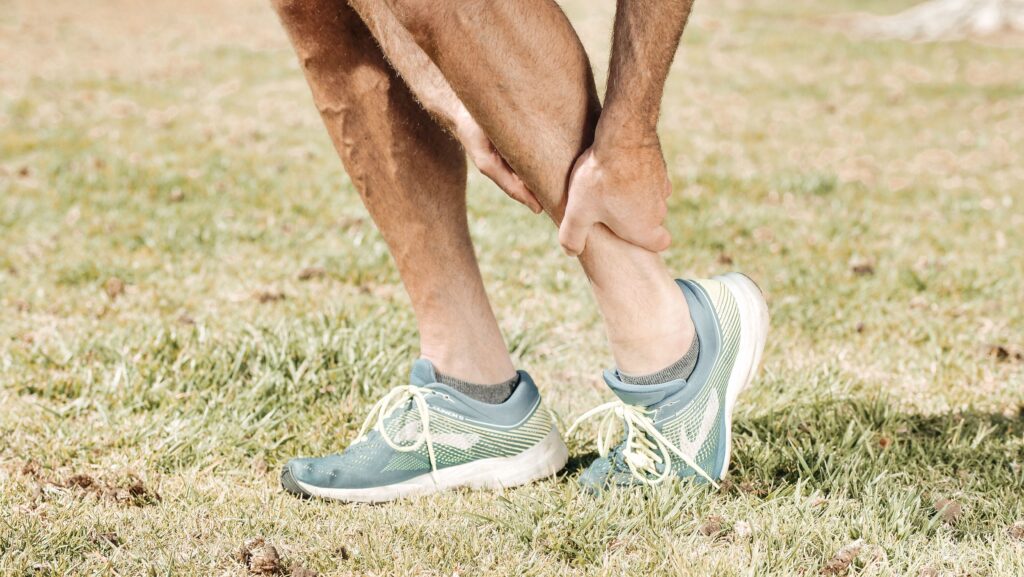
Reduced movement
You may find it difficult to bend forward, stand upright, walk comfortably or carry out normal daily activities.

Muscle spasms
Sudden tightening of the back muscles can make movement painful and uncomfortable.
When Should You Seek Urgent Medical Advice?
Although most back pain is not serious, some symptoms require immediate medical attention.
Seek urgent medical help if you experience:
- Numbness or tingling in both legs
- Significant weakness in your legs
- Loss of bladder or bowel control
- Severe back pain following an accident or fall
- Unexplained weight loss alongside back pain
These symptoms may indicate a more serious condition, such as Cauda Equina Syndrome, and should be assessed urgently.
Why Does Lower Back Pain Keep Coming Back?
Many people experience recurring episodes of back pain because the original cause was never fully addressed.
Your lower back supports much of your body weight while allowing a wide range of movement, making it vulnerable to repeated strain.
Some of the most common causes include:

Weak core muscles
The muscles around your abdomen and spine help support your back. If they become weak, your spine has to work harder, increasing the risk of recurring pain.
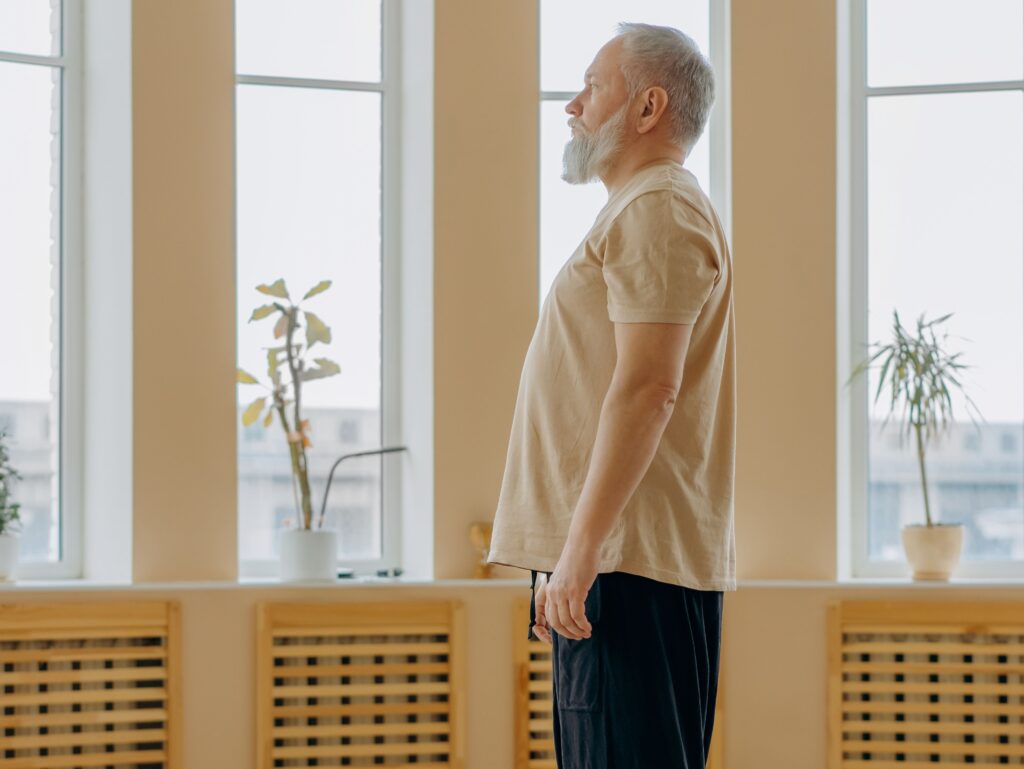
Poor posture
Spending long periods sitting or standing with poor posture places extra stress on the joints, muscles and discs in your lower back.

Incorrect lifting technique
Lifting heavy objects while bending through your back instead of using your legs can strain muscles, ligaments and discs.

Sitting for long periods
Whether you’re working at a desk, driving or studying, prolonged sitting can tighten muscles and reduce strength over time.

Previous injuries
Once you’ve injured your back, that area may become more sensitive and easier to aggravate without proper rehabilitation.
Common Conditions That Can Cause Lower Back Pain
Spondylosis
Spondylosis is the natural wear and tear that happens in the spine as we age.
Over time, the discs become thinner, the spaces between the vertebrae become smaller, and small bony growths called osteophytes can develop. These changes are similar to osteoarthritis in other joints.
Many people have spondylosis without experiencing any pain. Keeping your spine mobile and strengthening the muscles around your back and pelvis can help reduce its impact.
Sciatica
Sciatica occurs when a nerve in the lower back becomes irritated or compressed.
Pain often travels from the lower back into one or both legs and may be accompanied by numbness or tingling.
A bulging disc is one common cause, although pain travelling into the leg isn’t always caused by a trapped nerve. Sometimes muscles or joints in the back can refer pain into the leg instead.
Most people recover well from sciatica, although recovery can take several weeks or even months. Gentle exercise and physiotherapy can help improve recovery and reduce symptoms.
Herniated (Slipped) Disc
outwards. If it presses on nearby nerves, it can cause pain.
Symptoms may include:
- Lower back pain
- Numbness or tingling in the arms, hands, legs or feet
- Muscle weakness
- Difficulty bending or straightening your back
- Pain travelling into the buttocks or legs
Not everyone with a slipped disc experiences symptoms, and many people recover with time, gentle exercise and appropriate treatment.
Degenerative Disc Disease
describes the natural changes that happen to spinal discs as we age.
As discs lose water and become thinner, they provide less cushioning between the vertebrae. This can contribute to conditions such as:
- Herniated discs
- Adult scoliosis
- Spinal stenosis
- Spondylolisthesis
These age-related changes are common and do not always cause pain.
How Can Physiotherapy Help?
Physiotherapy aims to reduce pain, restore movement and improve the strength and stability of your back to help prevent future problems.
Hands-On Treatment
Your physiotherapist may also use manual therapy techniques such as:
- Spinal mobilisation
- Spinal manipulation
- Soft tissue massage
These treatments can help reduce pain, improve movement and relax tight muscles.
Posture and Movement Training
Many cases of lower back pain are linked to everyday habits.
Your physiotherapist can help you improve:
- Sitting posture
- Lifting technique
- Workplace ergonomics
- Core control during daily activities
Small changes can make a big difference over time.
Heat and Cold Therapy
Depending on your symptoms, heat or cold therapy may also be recommended.
Heat can help relax muscles and improve circulation, while cold packs may reduce swelling and inflammation during the early stages of an injury.
Lifestyle Advice
Recovery isn’t just about treatment in the clinic.
Your physiotherapist may also advise you on:
- Maintaining a healthy weight
- Staying active throughout the day
- Safe ways to exercise
- Comfortable sleeping positions
- Managing flare-ups
The aim is to help you recover while reducing the risk of future episodes.
Why It’s Important to Keep Moving
When your back hurts, resting may seem like the best option. However, prolonged rest can actually slow your recovery.
Staying active helps keep your muscles strong, maintains joint movement and improves circulation. Even gentle activities such as walking can make a big difference.
If you avoid movement for too long, your muscles become weaker, making your back more vulnerable to further injury. This is known as deconditioning.
Long-term pain can also affect your confidence, work, social life and mental wellbeing. Anxiety and low mood can make pain feel worse, creating a cycle that’s difficult to break.
The sooner you return to gentle movement and normal daily activities, the better your chances of making a full recovery.

The Good News
The vast majority of lower back pain improves within 4 to 6 weeks with the right combination of physiotherapy, exercise and staying active.
If your pain isn’t improving, keeps returning, or is stopping you from enjoying everyday life, a physiotherapy assessment can identify the underlying cause and provide a personalised treatment plan to help you move with confidence again.